French tennis player Samuel Bensussan received a three-year extension of his suspension for match-fixing after an unsuccessful appeal, as reported by the International Tennis Integrity Agency (ITIA). His ban from competition will now last until 2030.
Initial suspension
In June of last year, Bensussan was temporarily suspended from competition for one year and 11 months. An independent corruption hearing found that the 34-year-old player was involved in match-fixing, manipulating the results of four matches. Additionally, Bensussan was implicated in a criminal case related to a match-fixing syndicate in Belgium and was fined $12,000 (approximately £8,880).
Appeal and its outcomes
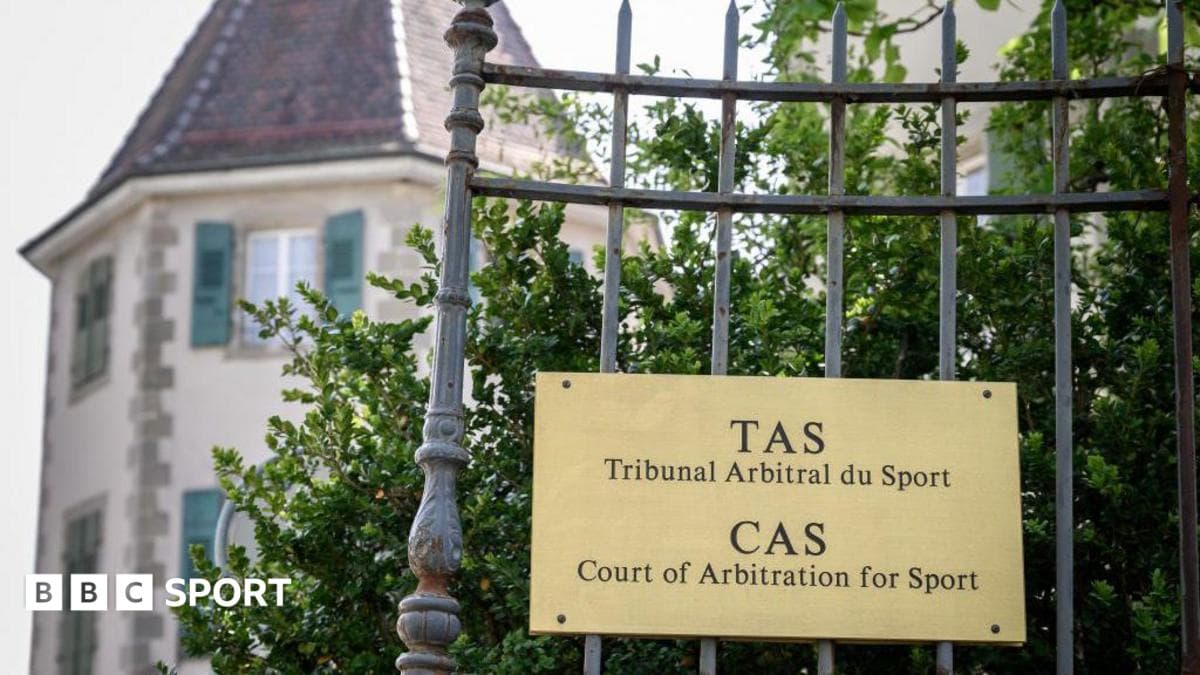
The player appealed to the Court of Arbitration for Sport (CAS) requesting the cancellation of his suspension; however, his claims were rejected. All allegations made by the ITIA were upheld, and the CAS agreed that Bensussan's punishment should be increased in accordance with similar cases.
Scope of the problem
After the extension of the suspension, the CAS noted that investigations revealed a criminal organization that had corrupted at least 181 players worldwide and was linked to the manipulation of the results of at least 375 tennis matches. This highlights the seriousness of the match-fixing problem in tennis and the need for strict measures against violators.
Associated penalties
Bensussan was not the only one to face punishment. Last year, three other players were also suspended alongside him: Nattasit Koonsuwan, Jamie Floyd Angela, and Christian Lindl. This indicates that the issue of match-fixing affects not just one athlete but an entire group of players.
Career achievements
Bensussan reached the peak of his career in June 2018 when his ranking rose to 405th in the world tennis rankings. Since then, he has not participated in professional tournaments, and the extension of his suspension effectively ends his career for the coming years.
Ban on participation
Individuals under suspension are not allowed to participate, coach, or attend any events organized or sanctioned by the ITF, WTA, ATP, or Grand Slam tournaments. This rule is aimed at protecting the integrity of the sport and preventing further violations.
The situation surrounding Bensussan underscores the importance of combating corruption in tennis and the necessity of maintaining integrity in the sport.


